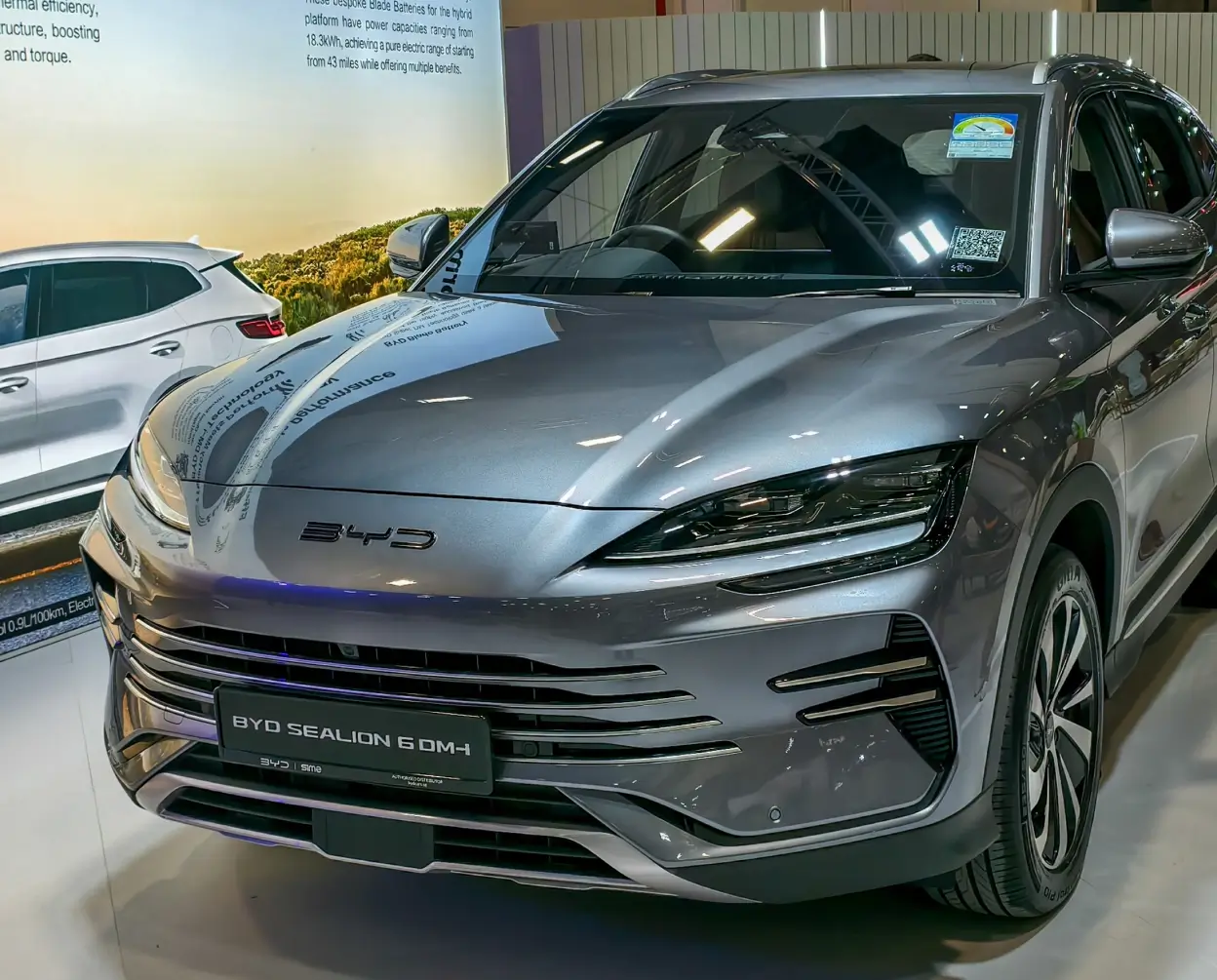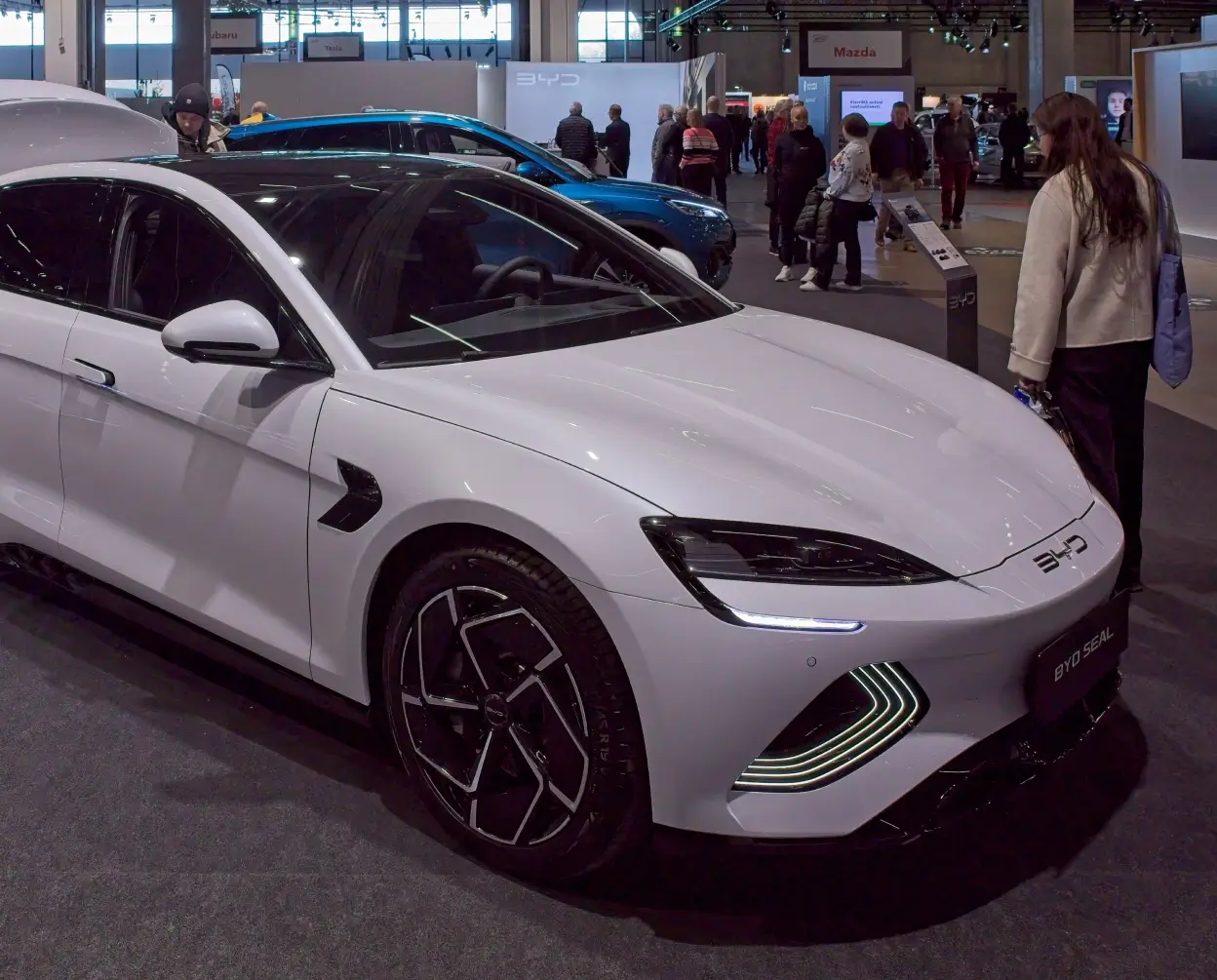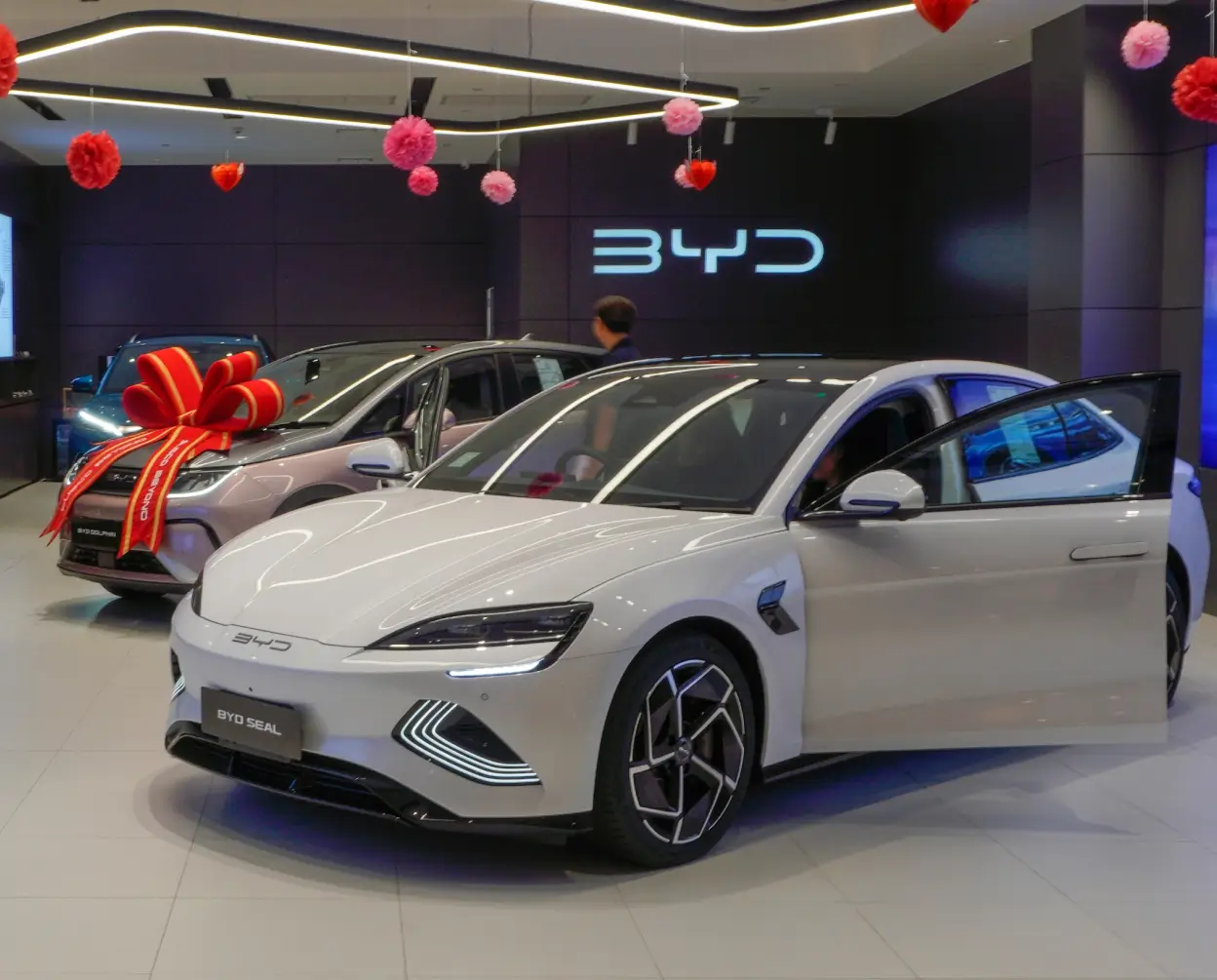
Buying a used BYD can be an appealing way to move into electric driving. Models such as the Atto 3, Dolphin and Seal offer different combinations of range, space and performance, but a used car should still be checked carefully before money changes hands.
A clean exterior and an impressive dashboard display do not tell you everything about a vehicle’s condition. Before paying a deposit, review its history, charging performance, maintenance records and overall condition.
1. Check the vehicle’s history
Start with the basics:
- Confirm the registration, VIN and vehicle identity.
- Review the service history and available invoices.
- Ask about accident damage, repairs and previous ownership.
- Check for outstanding finance and relevant vehicle-history issues.
- Confirm the mileage and look for inconsistencies in the records.
If the car has been imported, ask for the original market, import documentation and any information needed to confirm the applicable warranty and specification.
Do not rely solely on a seller’s verbal assurance that the vehicle has never been damaged or has a complete service history.
2. Understand the remaining warranty
BYD’s published warranty periods cover different components and have different limits and conditions.
Ask for the original purchase or in-service date, warranty documents and service records. Then confirm the remaining coverage for the specific vehicle with BYD Ireland or an authorised dealer.
A used car’s age does not by itself establish how much warranty remains. Mileage, the applicable policy and the vehicle’s history matter.
If the seller claims that the battery or entire vehicle is covered for a particular period, ask for documentary confirmation.
3. Assess the high-voltage battery properly
Battery condition is one of the most important considerations when buying a used electric car.
However, a displayed range figure is not a definitive battery health test. Estimated range can change with temperature, driving style, recent consumption, climate-control use and the vehicle’s settings.
Look for any battery-related warnings and ask whether a battery health report or relevant diagnostic information is available.
Where appropriate, a professional inspection may examine battery-related fault codes and available battery-management data. The checks possible depend on the model and diagnostic equipment.
Do not conclude that the battery is healthy or defective based on a single range estimate.
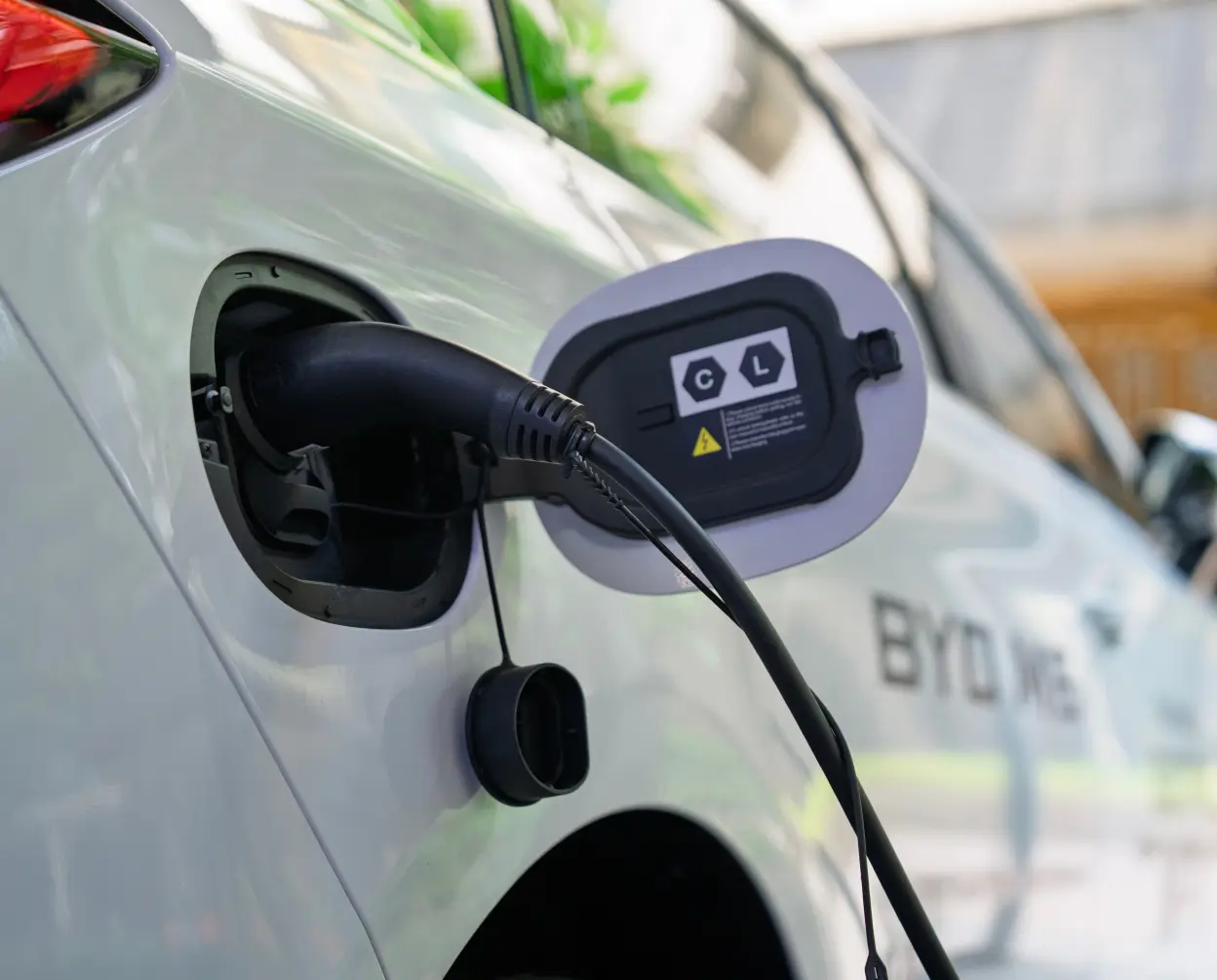
4. Test the charging system
If possible, confirm that the vehicle can charge using compatible equipment. Check the charging port for visible damage and review any charging-related warnings.
Ask the seller about previous charging problems, intermittent faults or repairs to the charging system.
A short test alone cannot prove that every charging function is fault-free, but a failed or interrupted session is a reason to investigate further.
5. Inspect the tyres, brakes and suspension
Electric vehicles can still develop familiar mechanical issues.
Inspect the tyres for tread depth, damage and uneven wear. Check for brake noise, vibration and visible corrosion, and listen for suspension knocks during a road test.
Uneven tyre wear may be associated with tyre pressure, alignment, suspension condition or previous impact damage. It should be investigated rather than automatically attributed to the vehicle model.
If the car pulls to one side, vibrates or makes unusual noises, ask for a proper inspection before proceeding.
6. Test the electronics and infotainment
Spend time checking the vehicle’s everyday functions.
Test the infotainment screen, reversing camera, parking sensors, climate control, windows, lights, key functions and driver-assistance features where fitted.
Check for warning lights and ask about any features that do not operate consistently. If a fault appears intermittently, record the circumstances and ask the seller whether it has previously been investigated.
Confirm that the vehicle’s software and equipment match the specification represented in the advert.
7. Review recalls and outstanding updates
Ask whether any applicable recalls or outstanding manufacturer actions have been completed. A BYD dealer can help verify the position using the vehicle details.
Also ask about previous software updates and repairs related to recurring warnings.
Do not assume that a car has no outstanding actions simply because it passed an inspection or has a valid roadworthiness certificate.
8. Arrange an independent inspection
An independent pre-purchase inspection can provide extra reassurance before you commit to the purchase.
Depending on the vehicle and the service available, it may include:
- A review of diagnostic trouble codes.
- Checks of available battery and charging-system data.
- Inspection of tyres, brakes, suspension and steering.
- Checks for warning lights and electronic-system concerns.
- A review of the service history and visible signs of previous damage.
No inspection can guarantee that a vehicle will never develop a fault, but it can help identify existing concerns and give you a better basis for making a decision.
What if the seller is asking for a deposit today?
Do not let pressure to buy quickly prevent you from checking the car’s identity, history, condition and warranty position.
Ask for the deposit terms in writing, including whether the payment is refundable and what happens if an inspection identifies a significant issue. Avoid making assumptions about refund rights without checking the agreed terms and applicable law.
If the seller refuses reasonable checks or cannot provide important documentation, consider whether you are comfortable accepting that uncertainty.
Looking at a used BYD?
At BYDRepair.ie, we help BYD owners investigate vehicle issues and understand what may need attention. If you are considering a used BYD, contact us to discuss whether a pre-purchase assessment is suitable for your model.
Provide the model, year, mileage and any known faults so we can discuss the next steps.
Before paying a deposit, make sure you understand what you are buying. A careful inspection today may help you avoid an expensive surprise later.
This guide is general information and is not a substitute for a vehicle-specific inspection or professional legal advice.