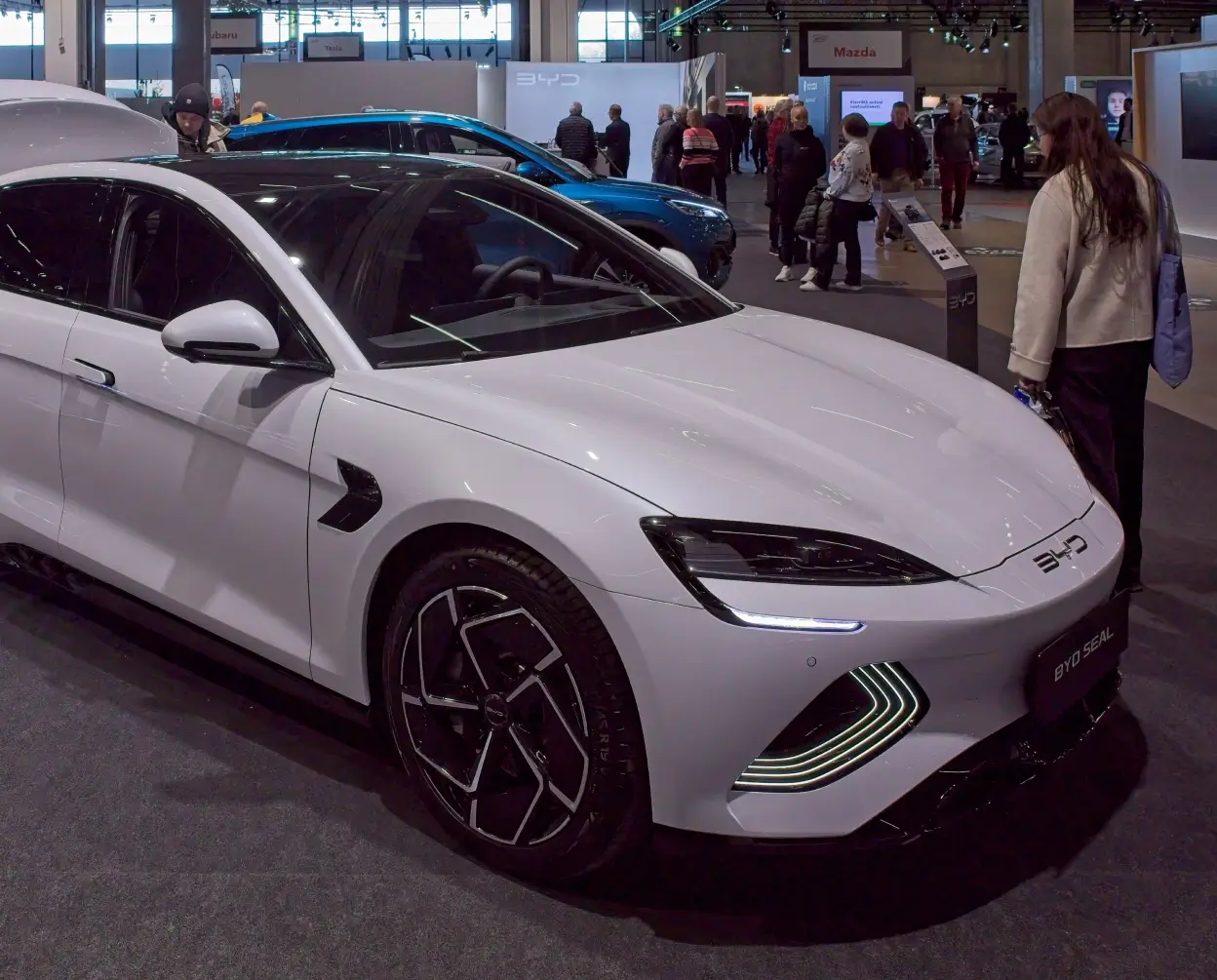
The BYD Seal U DM-i combines electric driving with a petrol engine, giving drivers the flexibility of a plug-in hybrid. However, that combination also means its servicing requirements differ from those of a fully electric BYD.
If you own a Seal U DM-i in Ireland, understanding these differences can help you maintain the vehicle properly, identify problems early and avoid unnecessary repairs.
What makes the Seal U DM-i different?
A fully electric vehicle uses an electric motor and a high-voltage battery to drive the wheels. The Seal U DM-i adds a petrol engine and the associated fuel and engine systems.
This means there are two areas to consider: the electric drivetrain and the hybrid powertrain.
1. Engine oil and filter servicing
Unlike a fully electric BYD, the Seal U DM-i has an internal combustion engine that requires engine oil and an oil filter.
Oil condition and level matter because the engine’s lubrication system protects moving components from friction and excessive wear. The correct servicing interval depends on the vehicle’s model year, specification and maintenance schedule.
Even if you frequently drive in electric mode, do not assume that engine servicing can be ignored. Follow the schedule specified for your vehicle.
2. Hybrid system diagnostics
The Seal U DM-i uses electronics and control systems to manage the interaction between its petrol engine, electric motor and battery.
If you notice unexpected engine operation, warning lights, reduced performance or unusual changes in how the vehicle switches between driving modes, professional diagnostics can help identify the cause.
A warning message alone does not necessarily mean a major component has failed. Fault codes, live data and the symptoms reported by the driver all help build a clearer picture.
3. High-voltage battery and charging checks
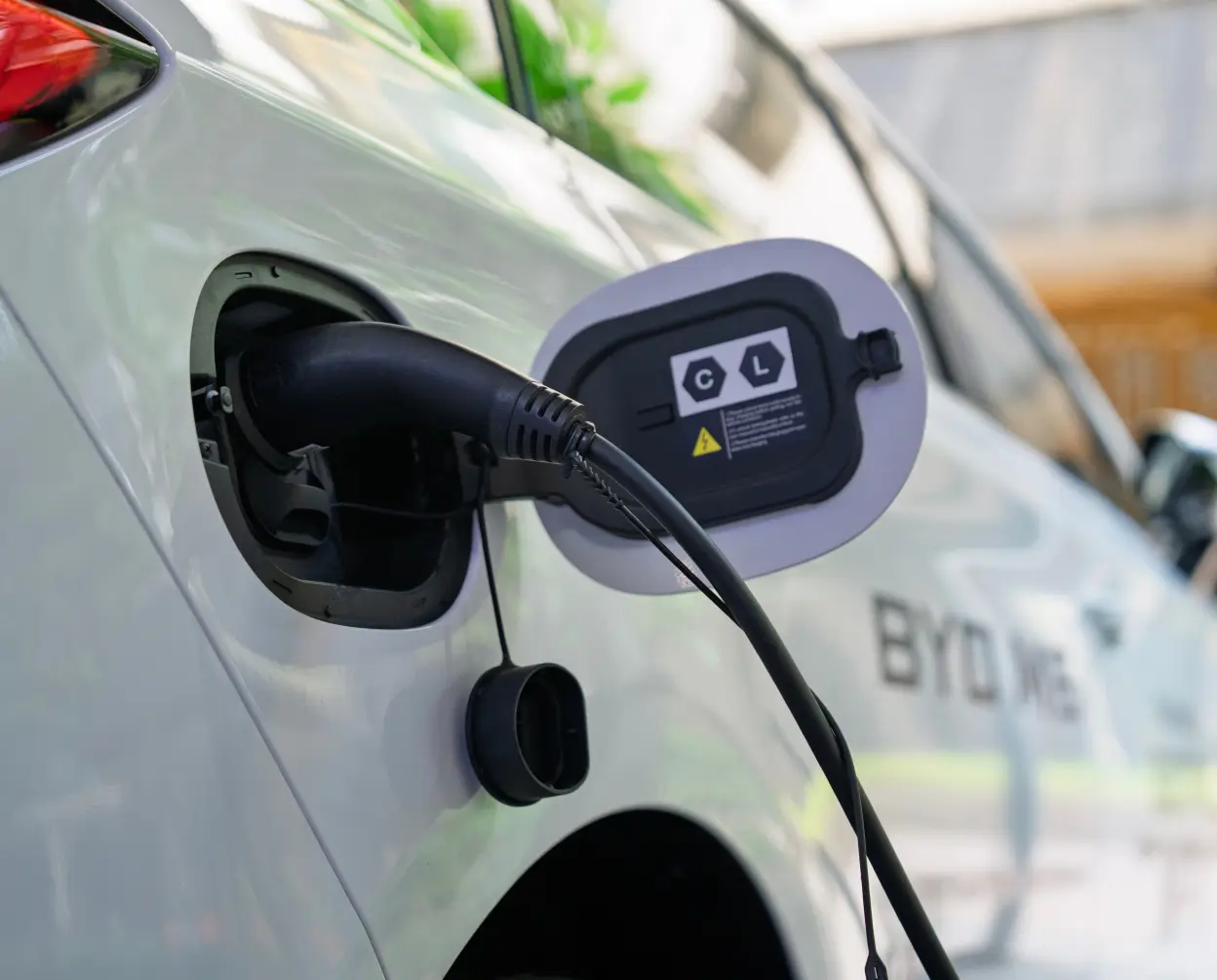
The plug-in hybrid battery and charging system still need attention. Charging interruptions, connector problems or battery-related warnings should be investigated rather than repeatedly ignored.
A proper inspection can help distinguish between a charging-point issue, a connection problem, a software-related concern or a vehicle-side fault.
High-voltage components should only be inspected or repaired by appropriately trained technicians using suitable equipment.
4. Cooling systems and fluid checks
The hybrid powertrain contains systems that need to operate within their specified temperature ranges. Depending on the vehicle configuration, this can include engine and electrical-system cooling circuits.
Coolant levels, visible leaks and relevant warning messages should be checked in accordance with the vehicle’s maintenance schedule. Never open a hot pressurised cooling system.
5. Brakes, tyres and suspension
Like any other car, the Seal U DM-i needs regular checks of its tyres, brakes, steering and suspension.
Regenerative braking can reduce reliance on the friction brakes, but the brake discs and pads still require inspection. Corrosion, uneven wear, vibration or unusual noises should not be dismissed.
Tyre pressure, tread depth, alignment and suspension condition also affect handling, comfort and tyre life.
How often should a Seal U DM-i be serviced?
Use the maintenance schedule for your exact model and follow whichever time or distance limit applies first. Do not automatically use a fully electric BYD’s service schedule for a plug-in hybrid.
Keep records of servicing, repairs and any warning messages. This can be useful when diagnosing recurring faults or assessing a vehicle’s maintenance history.
Need help with your BYD Seal U DM-i?
At BYDRepair.ie, we help BYD owners understand vehicle faults and identify the appropriate next steps. If your Seal U DM-i has a warning light, charging problem, engine issue or unusual driving behaviour, contact us to discuss the symptoms and arrange an assessment.
Need a quote? Get in touch with BYDRepair.ie and tell us your model, mileage and the issue you’re experiencing.
Maintenance requirements vary by model year and specification. Always follow the owner’s manual and applicable maintenance schedule.